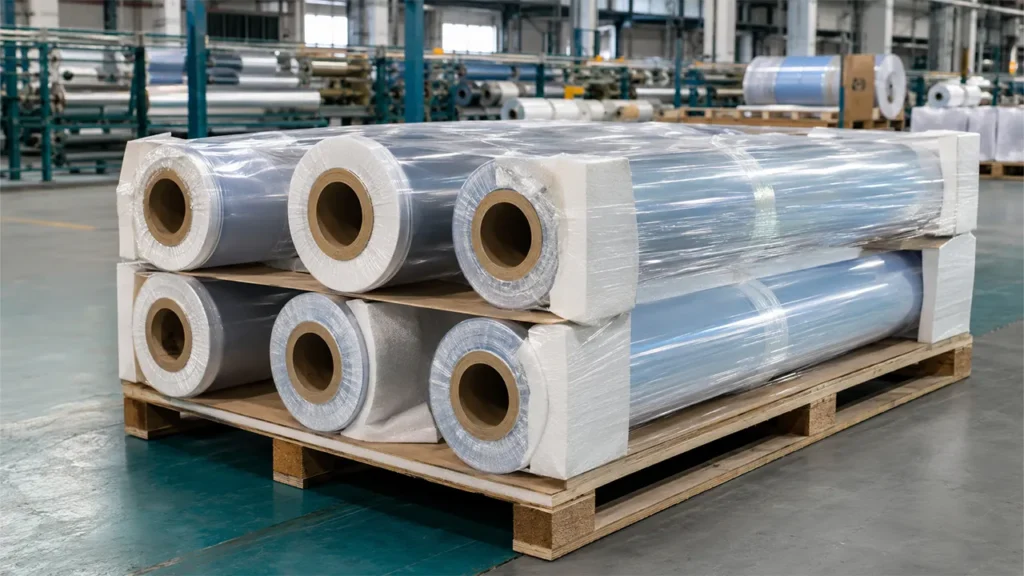
PVC Film Roll Size, Core, Packaging and Container Loading Guide
PVC film roll size is defined by usable width, film thickness, roll length or weight, core inside diameter, roll outside diameter and winding direction. These choices affect equipment fit, handling, slitting yield, roll pressure, packaging and container loading. Buyers should provide machine limits and request a confirmed packing list; container quantities must be calculated from actual roll and package dimensions, not generic estimates.
Practical starting point: Define the application, must-have specification and order format for PVC film roll size before requesting prices.
Which Dimensions Define a PVC Film Roll?
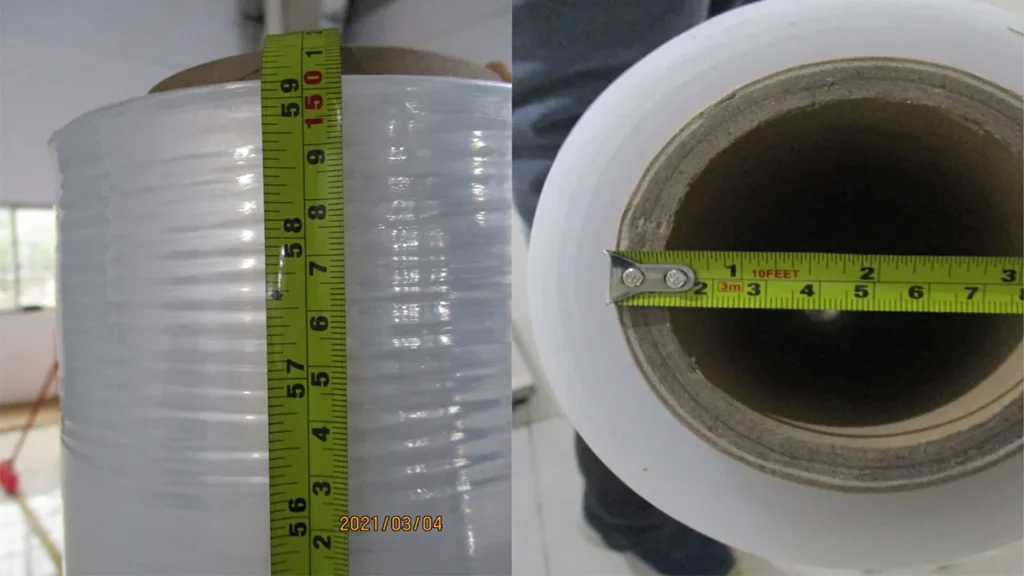
A complete roll specification includes usable width, gauge, length or net weight, core ID and width, maximum OD, roll weight and winding orientation.
Treat the definition of which dimensions define a pvc film roll as the common starting point, not as a product guarantee. Grade-specific data and supply scope still have to be verified.
Key buyer checks include:
- Definitions. Clarify what the term includes and excludes, then separate the industry definition from a specific grade or supply claim.
- Nominal/usable. Tie nominal/usable to the buyer's process, a measurable check or an approved physical reference instead of leaving it as a descriptive phrase.
- Telescoping allowance. Explain how telescoping allowance affects processing or finished-product acceptance, then agree how the supplier will verify it.
- Units. Use one agreed unit in the RFQ and purchase order. Show any conversion clearly so gauge, width and length cannot be misread.
How Do Thickness, Length and Core Affect Roll OD and Weight?
Roll geometry and material density determine approximate OD or weight, but final calculations require verified thickness, density and winding assumptions.
This step keeps suppliers on the same quotation basis and exposes missing assumptions before price comparison.
Confirm the following before selection:
- Variable formulas. Explain how variable formulas affects processing or finished-product acceptance, then agree how the supplier will verify it.
- Do not invent density. Turn do not invent density into a purchasing requirement by stating the target, its effect on the finished product and the approval method.
- Core volume. Match the roll to the buyer’s unwind, chuck, handling and storage limits. Confirm usable dimensions, winding direction, joints and packaging by order.
- Trapped air. Turn trapped air into a purchasing requirement by stating the target, its effect on the finished product and the approval method.
Keep this page focused on PVC film roll size; route the adjacent subject to Internal link pending: PVC Film category hub.
How Should Core Size Match Converting Equipment?
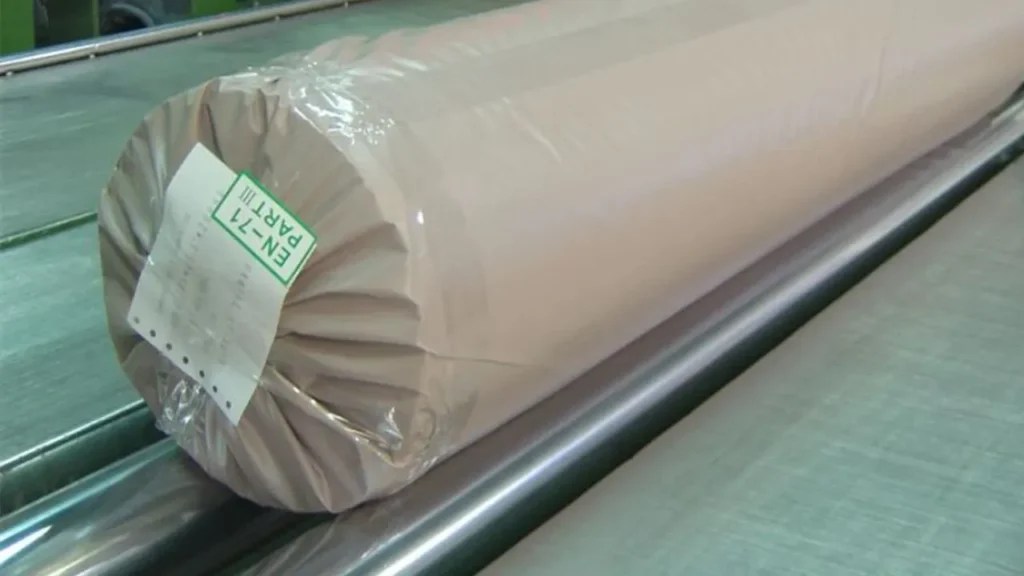
Core ID, wall strength, width and chuck engagement must fit the unwind and support the roll load.
The buyer should separate essential requirements from preferences so the supplier can explain any trade-off instead of guessing.
Use these points when comparing samples or suppliers:
- 3/6-inch only as examples if confirmed. Record 3/6-inch only as examples if confirmed in the RFQ and identify the sample, document or inspection result needed before bulk approval.
- Core crush. Match the roll to the buyer's unwind, chuck, handling and storage limits. Confirm usable dimensions, winding direction, joints and packaging by order.
- Adapters. Turn adapters into a purchasing requirement by stating the target, its effect on the finished product and the approval method.
- Drawings. Provide the component geometry and forming conditions. A grade that works on a flat panel may not tolerate the same draw, corner or edge return.
| Buyer decision | Why it matters | What to verify |
|---|---|---|
| 3/6-inch only as examples if confirmed | It can change processing, approval or finished-product risk | Method, sample, limit and responsible document |
| Core crush | It can change processing, approval or finished-product risk | Method, sample, limit and responsible document |
| Adapters | It can change processing, approval or finished-product risk | Method, sample, limit and responsible document |
| Drawings | It can change processing, approval or finished-product risk | Method, sample, limit and responsible document |
What Packaging Protects PVC Film Rolls?
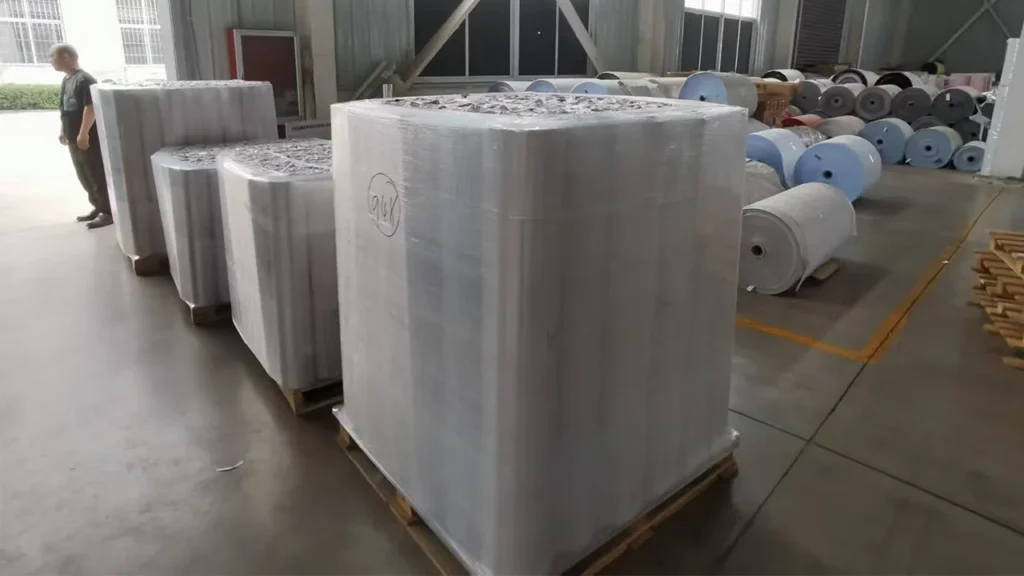
Packaging should prevent dust, moisture, edge damage, deformation, telescoping and uncontrolled movement during handling and transport.
From a purchasing perspective, the decision should remain traceable from application to specification, sample approval and the final quotation basis.
The working specification should cover:
- Inner wrap. Record inner wrap in the RFQ and identify the sample, document or inspection result needed before bulk approval.
- End protection. Record end protection in the RFQ and identify the sample, document or inspection result needed before bulk approval.
- Cartons/pallets/cradles. Describe the actual handling and transport conditions. Confirm edge protection, roll support, moisture protection, labels and loading orientation for the order.
- Vertical/horizontal as product-specific. Explain how vertical/horizontal as product-specific affects processing or finished-product acceptance, then agree how the supplier will verify it.
Project review: Share the application, converting method and critical acceptance points. YESIN’s confirmed scope is flexible PVC film only, with a maximum finished width of 1450 mm. Product matching begins with the finished application and converting method. Dimensions, roll format, appearance, evidence, sample needs and commercial terms are then confirmed for the project rather than assumed from a product name.
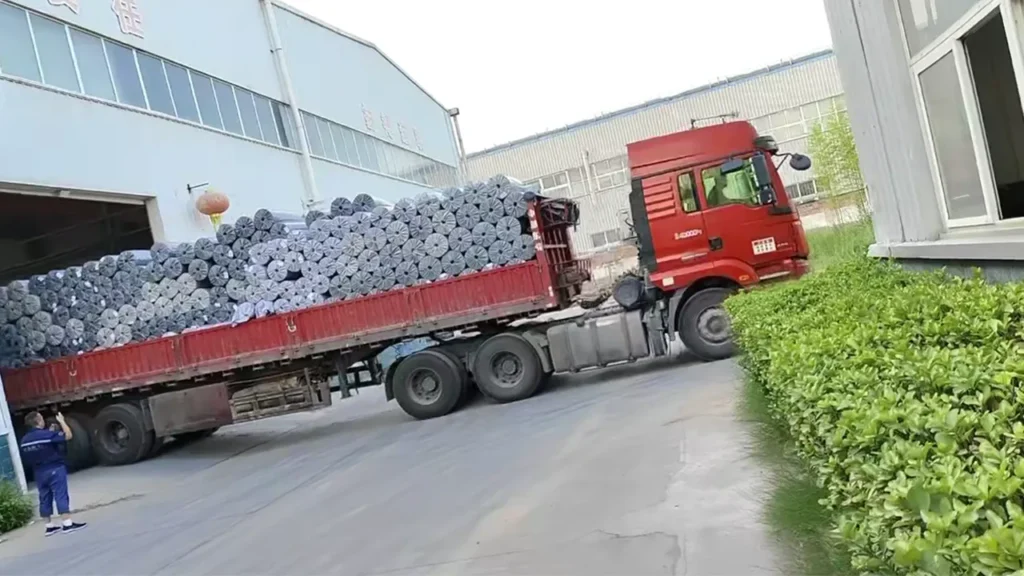
How Is Container Loading Calculated?
Container quantity is limited by actual gross weight, package dimensions, loading orientation, securing method and legal payload.
This step keeps suppliers on the same quotation basis and exposes missing assumptions before price comparison.
Key buyer checks include:
- CBM and weight methods. Tie cbm and weight methods to the buyer's process, a measurable check or an approved physical reference instead of leaving it as a descriptive phrase.
- Pallets vs floor loading. Describe the actual handling and transport conditions. Confirm edge protection, roll support, moisture protection, labels and loading orientation for the order.
- No generic tonnage. Record no generic tonnage in the RFQ and identify the sample, document or inspection result needed before bulk approval.
- Final loading plan. Explain how final loading plan affects processing or finished-product acceptance, then agree how the supplier will verify it.
| Application input | Specification response | Validation step |
|---|---|---|
| Finished product and service environment | Select the flexible-film construction and required functions | Review a representative finished sample |
| Printing, laminating, welding, forming or slitting | Define surface, dimensions and process-dependent behavior | Run the film on production-relevant equipment |
| Appearance target | Set a physical or instrument-based approval reference | Compare trial and first production material |
| Test or regulatory requirement | Name the method, specimen and pass criterion | Check the correct report and its scope |
What Shipping Damage Should Buyers Prevent?
Core collapse, flat spots, edge crush, scuffing, moisture and telescoping often relate to roll support, packing or transit forces.
The buyer should separate essential requirements from preferences so the supplier can explain any trade-off instead of guessing.
Confirm the following before selection:
- Inspection on receipt. Define who checks the item, where it is measured, how often it is sampled and what record supports release.
- Photos. Tie photos to the buyer's process, a measurable check or an approved physical reference instead of leaving it as a descriptive phrase.
- Labels. Use version-controlled files and written ownership or approval terms. Product specification and branding approval should remain separate gates.
- Claim evidence. Confirm the product identity and document scope. A TDS describes a product, while a COA or inspection record reports agreed data for a batch or order.
What Roll and Packing Data Belong in the PO?
State every roll dimension, tolerance, label, packing layer, pallet pattern and loading requirement in the purchase documents.
From a purchasing perspective, the decision should remain traceable from application to specification, sample approval and the final quotation basis.
Use these points when comparing samples or suppliers:
- Packing list fields. Turn packing list fields into a purchasing requirement by stating the target, its effect on the finished product and the approval method.
- Machine constraints. Tie machine constraints to the buyer's process, a measurable check or an approved physical reference instead of leaving it as a descriptive phrase.
- Destination handling. Describe the actual handling and transport conditions. Confirm edge protection, roll support, moisture protection, labels and loading orientation for the order.
Use this technical inquiry checklist:
| Information | What the buyer should provide |
|---|---|
| Finished application | Product drawing, use environment and target market |
| Converting method | Printing, coating, lamination, welding, sewing, forming, slitting or another process |
| Film requirement | Flexible-film construction, target thickness, width, appearance and surface |
| Roll requirement | Length or net weight, core, maximum diameter, winding, joints and handling limits |
| Evidence | TDS, COA fields, test method, specimen, acceptance criterion and report type |
| Commercial context | Estimated quantity, destination, packaging inputs and sample need |
When the PVC film roll size specification is ready, continue with Internal link pending: PVC Film Quote Checklist for the formal inquiry.
Next step: To discuss PVC film roll size, send the finished application, converting method, dimensions, roll format, appearance target, required tests and estimated quantity. YESIN can then confirm the relevant sample, document and order-specific options within its verified flexible-PVC scope.
Frequently Asked Questions About PVC film roll size
Which Dimensions Define a PVC Film Roll?
A complete roll specification includes usable width, gauge, length or net weight, core ID and width, maximum OD, roll weight and winding orientation. Approve the choice on the buyer's actual substrate, equipment or finished construction before bulk production.
How Do Thickness, Length and Core Affect Roll OD and Weight?
Roll geometry and material density determine approximate OD or weight, but final calculations require verified thickness, density and winding assumptions. Confirm the exact flexible-PVC grade, sample condition and acceptance basis for the project.
How Should Core Size Match Converting Equipment?
Core ID, wall strength, width and chuck engagement must fit the unwind and support the roll load. Confirm the exact flexible-PVC grade, sample condition and acceptance basis for the project.
What Packaging Protects PVC Film Rolls?
Packaging should prevent dust, moisture, edge damage, deformation, telescoping and uncontrolled movement during handling and transport. Confirm the exact flexible-PVC grade, sample condition and acceptance basis for the project.
How Is Container Loading Calculated?
Container quantity is limited by actual gross weight, package dimensions, loading orientation, securing method and legal payload. Confirm the exact flexible-PVC grade, sample condition and acceptance basis for the project.
What Shipping Damage Should Buyers Prevent?
Core collapse, flat spots, edge crush, scuffing, moisture and telescoping often relate to roll support, packing or transit forces. Confirm the exact flexible-PVC grade, sample condition and acceptance basis for the project.
References
These references support the industry-general explanations and testing context used in this draft.
- YESIN Verified Manufacturing Capabilities, reviewed 2026-07-15.
- YESIN Verified Experience and Operational Knowledge, reviewed 2026-07-15.
- YESIN Technical Documents, Testing, and Sample Support, reviewed 2026-07-15.
Need Help With PVC film roll size?
To discuss PVC film roll size, send the finished application, converting method, dimensions, roll format, appearance target, required tests and estimated quantity. YESIN can then confirm the relevant sample, document and order-specific options within its verified flexible-PVC scope.
Get PVC Film Support
Get Quote In 2 Minutes!