How to Request a PVC Film Quote: Specification Checklist for Buyers

An accurate PVC film quote requires more than thickness and quantity. Buyers should describe the finished application and converting process, then provide film type, gauge and tolerance, width, roll length, core, hardness or flexibility, appearance, performance tests, packaging, destination and order volume. Physical samples or drawings should be included when color, embossing, welding or adhesion must match.
Practical starting point: Define the application, must-have specification and order format for PVC film quote before requesting prices.
Why Do PVC Film Quotes Need an Application Brief?
The same nominal PVC film can require different formulation, surface and roll construction for different end products and converting lines.
Treat the definition of why do pvc film quotes need an application brief as the common starting point, not as a product guarantee. Grade-specific data and supply scope still have to be verified.
Key buyer checks include:
- Application. Describe what the film will become and how it will be processed. The same film name can lead to different requirements on different equipment.
- Process. Describe what the film will become and how it will be processed. The same film name can lead to different requirements on different equipment.
- Exposure. Explain how exposure affects processing or finished-product acceptance, then agree how the supplier will verify it.
- Risk of generic quote. State the boundary next to the recommendation. This prevents a valid conclusion for one grade, process or specimen from being extended to another.
When applying the why do pvc film quotes need an application brief guidance, two prices per roll are not comparable if length, width, core or net material weight differs.
Which Film Specifications Are Essential?
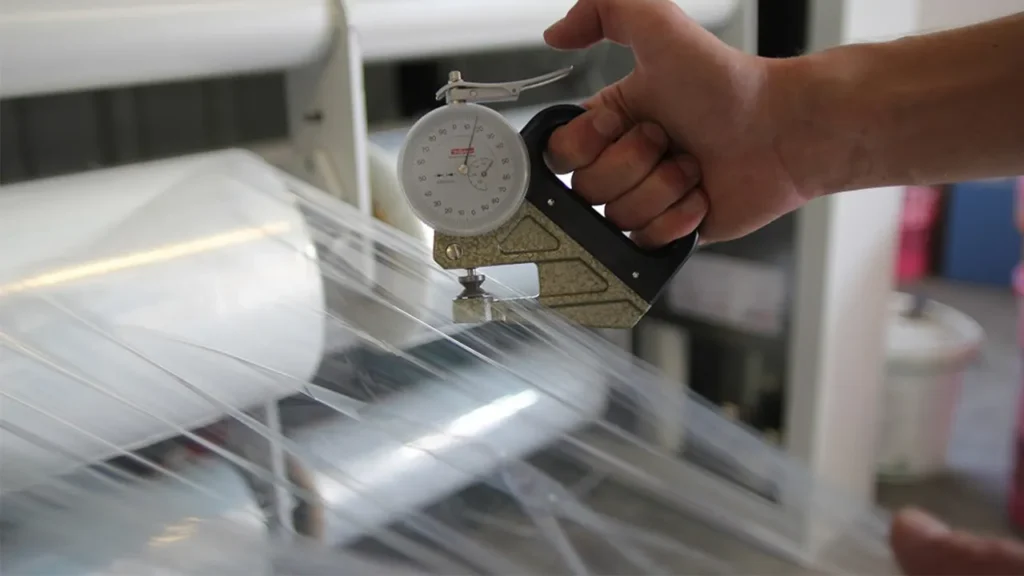
At minimum, state film type, thickness and tolerance, usable width, roll length or weight, core, flexibility basis, color or clarity and surface.
This step keeps suppliers on the same quotation basis and exposes missing assumptions before price comparison.
Confirm the following before selection:
- Units. Use one agreed unit in the RFQ and purchase order. Show any conversion clearly so gauge, width and length cannot be misread.
- Nominal vs tolerance. State the nominal target, unit, permitted variation, measurement method and sampling locations. A single average can hide local variation.
- Winding side. Match the roll to the buyer's unwind, chuck, handling and storage limits. Confirm usable dimensions, winding direction, joints and packaging by order.
- Reference samples. Label the sample, define what it represents, and record the result that counts as approval before bulk production.
Keep this page focused on PVC film quote; route the adjacent subject to Internal link pending: PVC Film category hub.
Which Performance Requirements Should Be Added?
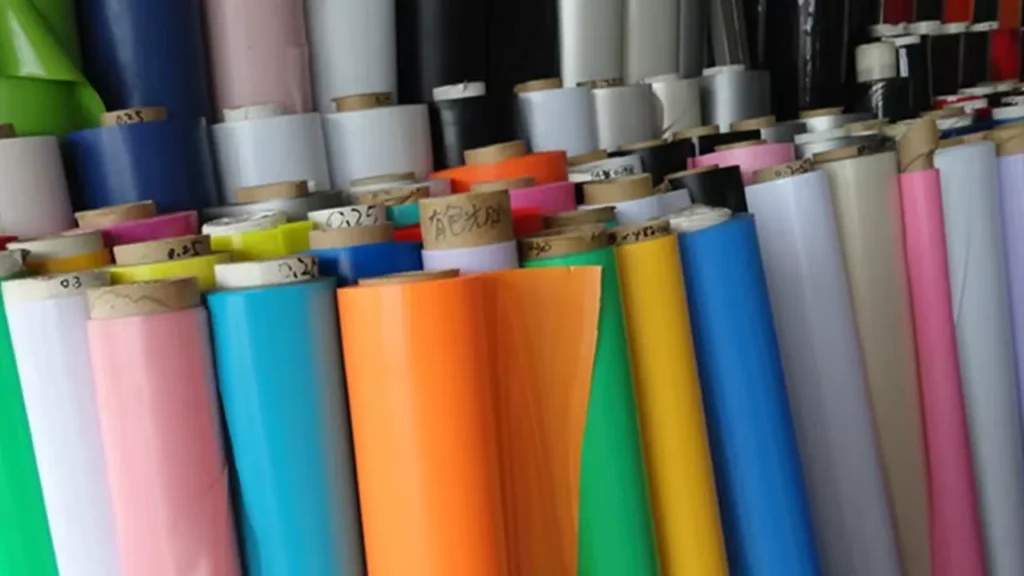
Add only application-relevant mechanical, optical, welding, adhesion, UV, flame, cold or compliance requirements with named methods where known.
The buyer should separate essential requirements from preferences so the supplier can explain any trade-off instead of guessing.
Use these points when comparing samples or suppliers:
- Must-have vs preference. Label the sample, define what it represents, and record the result that counts as approval before bulk production.
- Report scope. Confirm the product identity and document scope. A TDS describes a product, while a COA or inspection record reports agreed data for a batch or order.
- No vague high quality. Define who checks the item, where it is measured, how often it is sampled and what record supports release.
| Buyer decision | Why it matters | What to verify |
|---|---|---|
| Must-have vs preference | It can change processing, approval or finished-product risk | Method, sample, limit and responsible document |
| Report scope | It can change processing, approval or finished-product risk | Method, sample, limit and responsible document |
| No vague high quality | It can change processing, approval or finished-product risk | Method, sample, limit and responsible document |
What Converting and Equipment Details Matter?
Printing, laminating, welding, thermoforming, slitting and line constraints can change the recommended grade and roll format.
From a purchasing perspective, the decision should remain traceable from application to specification, sample approval and the final quotation basis.
The working specification should cover:
- Ink/adhesive. Evaluate the complete construction, including the substrate, adhesive, liner, dwell and application conditions. Do not approve the face film in isolation.
- Line width. Match the roll to the buyer's unwind, chuck, handling and storage limits. Confirm usable dimensions, winding direction, joints and packaging by order.
- Unwind. Tie unwind to the buyer's process, a measurable check or an approved physical reference instead of leaving it as a descriptive phrase.
- Sample trial. Label the sample, define what it represents, and record the result that counts as approval before bulk production.
Project review: Share the application, converting method and critical acceptance points. YESIN’s confirmed scope is flexible PVC film only, with a maximum finished width of 1450 mm. Product matching begins with the finished application and converting method. Dimensions, roll format, appearance, evidence, sample needs and commercial terms are then confirmed for the project rather than assumed from a product name.
Which Commercial and Logistics Fields Affect the Quote?
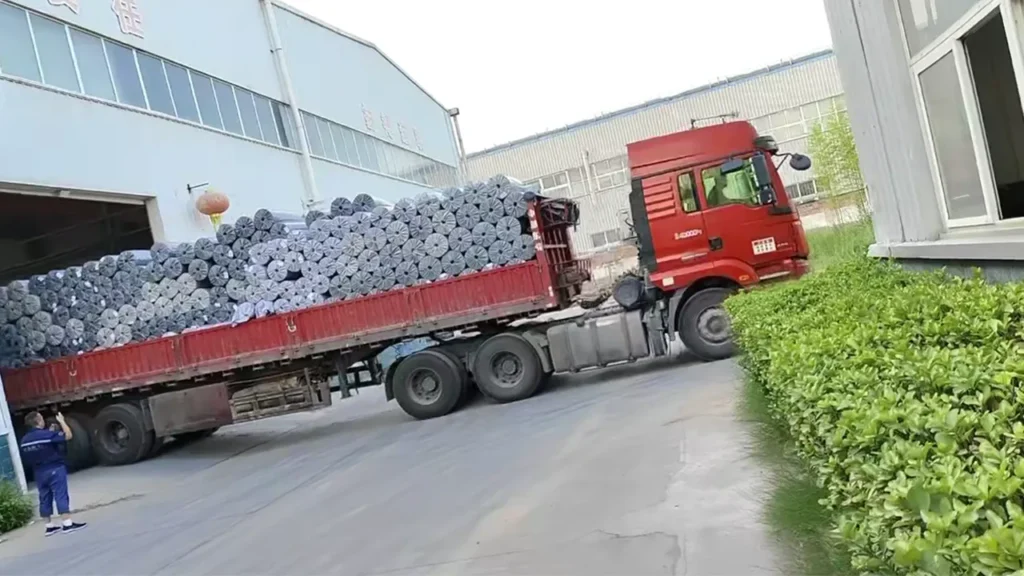
Order quantity, annual forecast, packaging, label, destination, Incoterm and required delivery stage are needed to price the complete supply.
This step keeps suppliers on the same quotation basis and exposes missing assumptions before price comparison.
Key buyer checks include:
- Sample/trial/bulk distinction. Label the sample, define what it represents, and record the result that counts as approval before bulk production.
- No promise. Turn no promise into a purchasing requirement by stating the target, its effect on the finished product and the approval method.
- Container/pallet. Describe the actual handling and transport conditions. Confirm edge protection, roll support, moisture protection, labels and loading orientation for the order.
| Application input | Specification response | Validation step |
|---|---|---|
| Finished product and service environment | Select the flexible-film construction and required functions | Review a representative finished sample |
| Printing, laminating, welding, forming or slitting | Define surface, dimensions and process-dependent behavior | Run the film on production-relevant equipment |
| Appearance target | Set a physical or instrument-based approval reference | Compare trial and first production material |
| Test or regulatory requirement | Name the method, specimen and pass criterion | Check the correct report and its scope |
What Files or Samples Should Be Attached?
Attach a physical master sample, drawing, TDS, photos or defect record when words cannot define color, texture, geometry or performance.
The buyer should separate essential requirements from preferences so the supplier can explain any trade-off instead of guessing.
Confirm the following before selection:
- Sample labeling. Label the sample, define what it represents, and record the result that counts as approval before bulk production.
- Confidentiality. Use version-controlled files and written ownership or approval terms. Product specification and branding approval should remain separate gates.
- Returned sample policy to confirm. Label the sample, define what it represents, and record the result that counts as approval before bulk production.
What Does a Complete PVC Film RFQ Look Like?
A one-page structured RFQ lets suppliers identify missing data, propose a grade and explain quotation assumptions.
From a purchasing perspective, the decision should remain traceable from application to specification, sample approval and the final quotation basis.
Use these points when comparing samples or suppliers:
- Copyable form. Explain how copyable form affects processing or finished-product acceptance, then agree how the supplier will verify it.
- Required/optional fields. Tie required/optional fields to the buyer's process, a measurable check or an approved physical reference instead of leaving it as a descriptive phrase.
- Next-step CTA. Turn next-step cta into a purchasing requirement by stating the target, its effect on the finished product and the approval method.
Use this technical inquiry checklist:
| Information | What the buyer should provide |
|---|---|
| Finished application | Product drawing, use environment and target market |
| Converting method | Printing, coating, lamination, welding, sewing, forming, slitting or another process |
| Film requirement | Flexible-film construction, target thickness, width, appearance and surface |
| Roll requirement | Length or net weight, core, maximum diameter, winding, joints and handling limits |
| Evidence | TDS, COA fields, test method, specimen, acceptance criterion and report type |
| Commercial context | Estimated quantity, destination, packaging inputs and sample need |
When the PVC film quote specification is ready, continue with Internal link pending: PVC Film Quote Checklist for the formal inquiry.
Next step: To discuss PVC film quote, send the finished application, converting method, dimensions, roll format, appearance target, required tests and estimated quantity. YESIN can then confirm the relevant sample, document and order-specific options within its verified flexible-PVC scope.
Frequently Asked Questions About PVC film quote
Why Do PVC Film Quotes Need an Application Brief?
The same nominal PVC film can require different formulation, surface and roll construction for different end products and converting lines. Keep the technical specification, roll basis and commercial assumptions identical when comparing supplier responses.
Which Film Specifications Are Essential?
At minimum, state film type, thickness and tolerance, usable width, roll length or weight, core, flexibility basis, color or clarity and surface. Approve the choice on the buyer's actual substrate, equipment or finished construction before bulk production.
Which Performance Requirements Should Be Added?
Add only application-relevant mechanical, optical, welding, adhesion, UV, flame, cold or compliance requirements with named methods where known. Approve the choice on the buyer's actual substrate, equipment or finished construction before bulk production.
What Converting and Equipment Details Matter?
Printing, laminating, welding, thermoforming, slitting and line constraints can change the recommended grade and roll format. Confirm the exact flexible-PVC grade, sample condition and acceptance basis for the project.
Which Commercial and Logistics Fields Affect the Quote?
Order quantity, annual forecast, packaging, label, destination, Incoterm and required delivery stage are needed to price the complete supply. Approve the choice on the buyer's actual substrate, equipment or finished construction before bulk production.
What Files or Samples Should Be Attached?
Attach a physical master sample, drawing, TDS, photos or defect record when words cannot define color, texture, geometry or performance. Confirm the exact flexible-PVC grade, sample condition and acceptance basis for the project.
References
These references support the industry-general explanations and testing context used in this draft.
- YESIN Verified Manufacturing Capabilities, reviewed 2026-07-15.
- YESIN Verified Experience and Operational Knowledge, reviewed 2026-07-15.
- YESIN Technical Documents, Testing, and Sample Support, reviewed 2026-07-15.
Need Help With PVC film quote?
To discuss PVC film quote, send the finished application, converting method, dimensions, roll format, appearance target, required tests and estimated quantity. YESIN can then confirm the relevant sample, document and order-specific options within its verified flexible-PVC scope.
Get PVC Film Support
Get Quote In 2 Minutes!